Poway Homes With Land Views: What Buyers Need To Know
May 14, 2026
May 14, 2026
If you are searching for a home with more space, more privacy, or a better outlook, Poway is one of the few places in North County where those goals can line up in a meaningful way. But buying land or buying a view is not quite the same as buying a typical suburban lot. You need to look beyond the photos and ask how the parcel works, what the city allows, and whether the features you love today are likely to hold up over time. Let’s dive in.
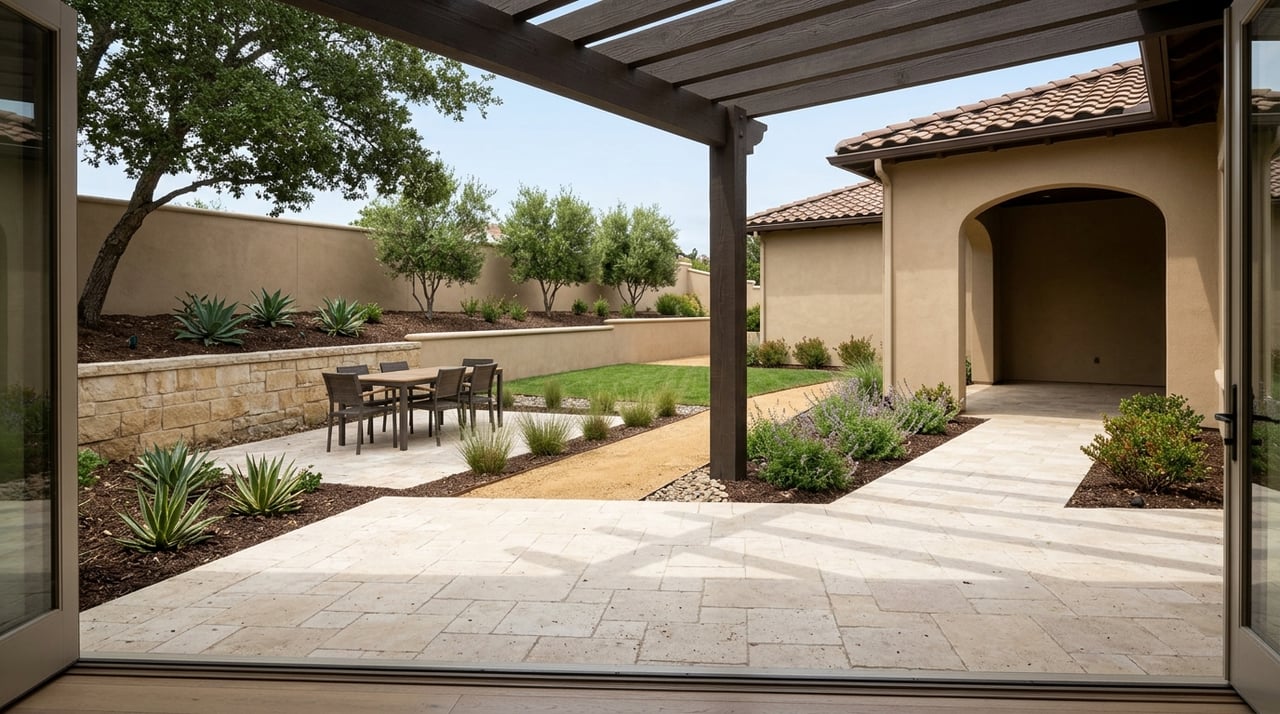
Poway often appeals to buyers who want room to spread out without leaving San Diego County behind. The city says more than half of its 39.4 square miles is dedicated open space, with 78 miles of trails and elevations ranging from 450 to 2,700 feet. That mix helps explain why privacy, usable land, and hillside outlooks matter so much in this market.
Housing patterns also support that appeal. Poway reports that 80% of its housing units are single-family homes, including homes on larger rural parcels. In practical terms, that gives you more opportunities to find a property with extra yard space, separation from neighbors, or a more open setting than you may find in denser nearby communities.
One of the biggest mistakes buyers make is assuming all Poway properties follow the same rules. They do not. The city’s housing element shows residential standards ranging from rural and very large-lot areas to more compact neighborhoods and specific-plan districts.
Depending on the area, minimum lot sizes can range from 40-acre and rural-residential settings to 10,000- to 15,000-square-foot lots, and down to 4,500-square-foot RS-7 lots. Some areas also fall under the Poway Road Corridor specific plan, which allows denser town-center and mixed-use patterns. That means the feel of one part of Poway can be very different from another.
When you are buying a home for its land, zoning is not just a technical detail. It shapes what you may be able to do with the property later, including additions, outdoor improvements, parking layouts, and even how much of the lot remains in a natural state.
The city’s open-space land use designation is especially important in hillside areas. Poway states that this designation is intended for very low-density single-family development on parcels affected by unstable soils, landslides, creek or floodway channels, or steep and visually prominent hillside areas. In many of those settings, development is limited to one dwelling per existing parcel or one dwelling per 40 acres, with most of the lot meant to stay natural.
A property may also sit inside a specific-plan area such as Old Poway, Poway Road, South Poway, Rancho Arbolitos, or The Farm. The city notes that planned community and planned residential properties within these boundaries can have different standards for setbacks, height, parking, landscaping, and open space.
For you as a buyer, that means two homes with similar lot sizes may not offer the same future flexibility. Before you count on adding a pool, expanding the house, or reworking the yard, it helps to confirm what standards apply to that exact parcel.
A larger lot can sound like an automatic win, but acreage alone does not tell the whole story. In Poway, the real question is how much of that land is usable, accessible, and manageable.
A property with a moderate slope, clear access, and practical outdoor space may feel more valuable in daily life than a much larger parcel with steep grades or limited buildable area. If you want room for entertaining, gardening, a future pool, or play space, you need to look closely at how the lot actually functions.
Poway’s planning guidance says its GIS site can show zoning, habitat conservation areas, high fire hazard zones, archaeological sensitive areas, setback information, and lot coverage. For buyers considering land or views, this is an important first step before assuming future improvements will be simple.
This matters because topography often drives both cost and feasibility. A backyard that appears expandable may involve slope constraints, drainage issues, open-space limitations, or permit requirements that make the project more complex than expected.
The city requires a grading permit in several common situations, including excavations of 2 feet or more on slopes steeper than 2:1, moving 50 cubic yards or more, changing drainage patterns, and work within open space or easement areas. Poway also states that retaining walls, pools, and patio covers require building permits, and a qualified professional engineer must prepare the grading plan.
If vegetation clearing is involved, or if the property is in an archaeological sensitive area, an Administrative Clearing Permit may also be needed. For buyers, this does not mean you should avoid these homes. It simply means you should evaluate land with a realistic eye toward cost, process, and timeline.
A great view can absolutely help a home stand out. Research cited in the report shows that views of water or open space can command premiums, but the value depends heavily on quality, context, and whether the view is likely to last.
That is especially true in Poway. The city’s planning documents say Poway does not specifically designate scenic vistas, but its hillside and ridgeline policies are intended to preserve natural landforms and scenic views of higher lying areas. In simple terms, a view may be highly marketable, but it is not automatically guaranteed forever.
When you evaluate a view property, it helps to think about what could change around it. A view buffered by protected open space or terrain that is hard to build on may have stronger long-term appeal than a view across land that could later be developed or altered.
This is why land and view should be treated as related, but separate, features. Land often supports privacy and flexibility, while view premiums tend to be more sensitive to future obstruction. In resale, the strongest candidates often combine usable outdoor space, manageable slope, clear access, and an outlook that feels relatively durable.
In Poway, wildfire risk is not a side issue for land or hillside properties. The city states that over 90% of Poway lies in a Fire Hazard Severity Zone, and another city page says more than 75% of the city is in the Very High Fire Hazard Severity Zone. The city also notes that these maps are intended to guide local planning decisions, not insurance decisions.
For you, the takeaway is simple: larger or more rural-feeling lots often come with more responsibility. You should understand the property’s fire-zone context, vegetation conditions, access, and maintenance needs before you buy.
Poway’s Home Ignition Zone guidance divides defensible space into Zone 1, from 5 to 30 feet, and Zone 2, from 30 to 100 feet. The fire department also emphasizes the importance of ground cover and drainage to help reduce erosion.
That means a big lot is not always an easy lot. More land can bring more brush management, more maintenance, and more planning around landscaping choices near the home.
Views and hillsides often go hand in hand, and that makes drainage important. Poway’s flood-prevention guidance tells owners to keep ground cover in place to help prevent erosion, clean gutters and yard drains, and remember that any alteration to building or land requires a permit.
If you are buying a sloped property, pay attention to how water moves across the site. Drainage patterns, retaining features, and landscape condition can all affect both maintenance and future project costs.
When you are comparing homes with land or views in Poway, it helps to slow down and review each property through the same lens.
In a market like Poway, broad rules only get you so far. Two homes with similar price points can offer very different long-term value depending on slope, access, zoning, improvement potential, and how protected the view really is.
That is why a parcel-specific approach matters so much. A careful review of city guidance, site conditions, and comparable sales can help you separate a truly special property from one that simply photographs well online.
If you are weighing a home with land, a home with a view, or a property that offers both, the right local guidance can help you buy with more confidence. When you are ready to talk through Poway neighborhoods, lot types, and resale potential, connect with Tim & Angie Todd for personalized guidance.
Stay up to date on the latest real estate trends.

Get assistance in determining current property value, crafting a competitive offer, writing and negotiating a contract, and much more. Contact us today.