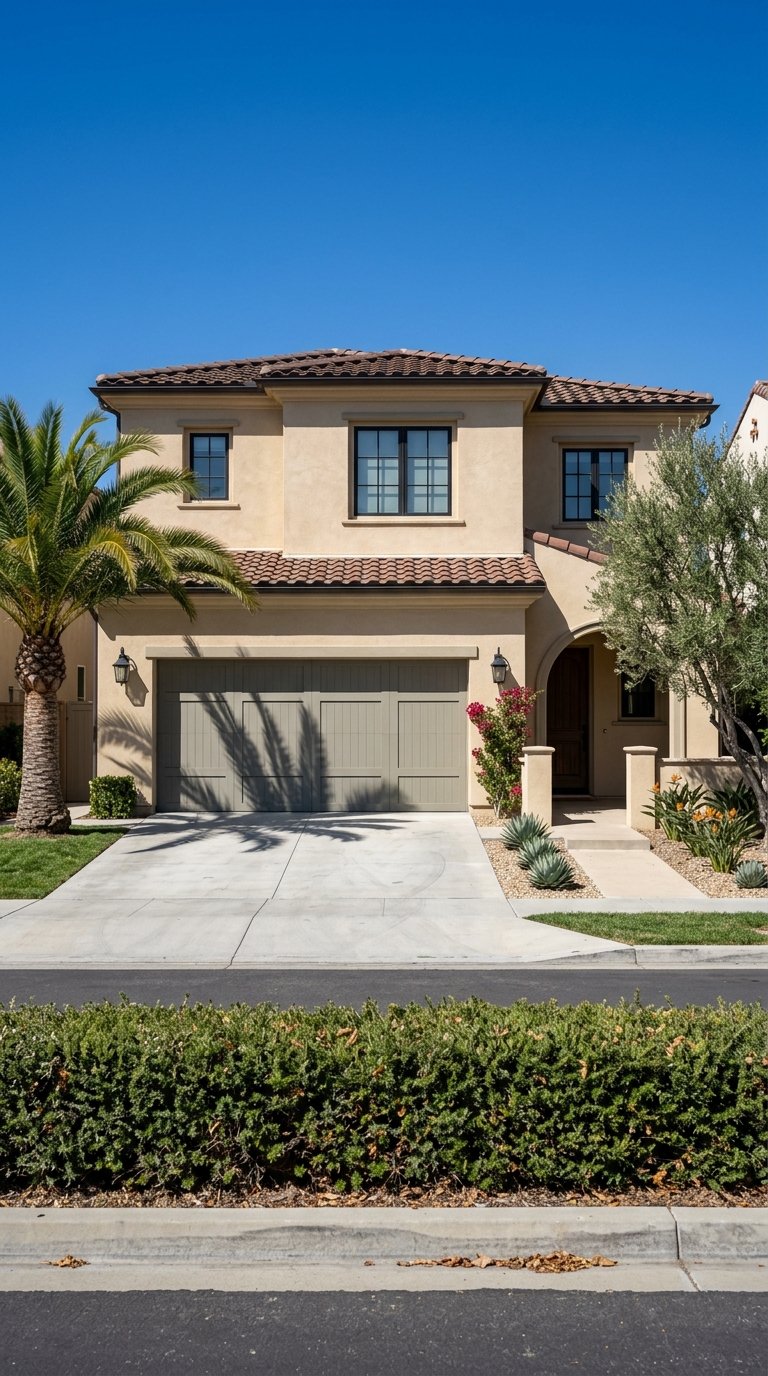
Carmel Valley Single Family Homes: How to Buy Smarter
June 4, 2026
June 4, 2026
If you are shopping for a single-family home in Carmel Valley, you may already know one thing: this is not a one-size-fits-all market. From compact older detached homes to newer, larger floor plans and custom properties on oversized lots, Carmel Valley offers a wide range of options within one well-known North County community. Knowing what changes from one street, tract, or precise plan area to the next can help you buy with more confidence. Let’s dive in.
Carmel Valley is a master-planned community along the Interstate 5 corridor, with development concentrated on mesa tops and canyons and open-space corridors preserved by design. The City of San Diego also notes neighborhood parks, a community recreation center, trails, a library, fire station, and police station as part of the area’s community framework. The first homes in the planned community were built in 1983.
For buyers, the market data points to a premium price point and relatively fast movement. As of April 2026, Redfin reported a median sale price of $2,155,149 over the prior three months and an average of 16 days on market, while Zillow’s home value index was $1,973,968 and Realtor.com reported a median listing price of $1,958,000 with 87 homes for sale and 32 median days on market. The exact number varies by source, but the takeaway is consistent: Carmel Valley remains a high-demand market.
One of the biggest things to understand is that Carmel Valley is not a single uniform subdivision. The City of San Diego maintains multiple precise plans for different neighborhoods, which helps explain why lot sizes, street patterns, and home styles can change from one area to another.
In practical terms, a Carmel Valley single-family home might be a smaller detached home from the mid-1980s, a newer suburban floor plan with flexible living space, or a larger custom property. Current listing examples show many detached homes in roughly the 2,000- to 3,000-square-foot range, often with 3 to 4 bedrooms, 2.5 to 4 bathrooms, and attached garages. Some listings also include features like a main-floor bedroom, office, loft, family room, or formal dining room.
At the same time, older homes can be much more compact. One example from 1985 is about 1,236 square feet with 2 bedrooms and 2 bathrooms, while larger custom homes in the community can exceed 5,000 square feet. That range matters because two homes both labeled “single-family” can offer very different lifestyles, maintenance needs, and price points.
Lot size is one of the clearest differentiators in Carmel Valley. In the city’s Neighborhood 8 precise plan, single-family zones include minimum lot sizes of 3,000 and 4,500 square feet, with design goals focused on preserving views, minimizing grading, and maintaining visual corridors along SR-56 and trail areas.
Recent listings show many detached homes on moderate suburban lots in the range of about 4,400 to 6,500 square feet. Examples include 4,423, 4,891, 5,288, 5,819, and 6,449 square feet. These are the kinds of lots many buyers picture when they think of a Carmel Valley detached home.
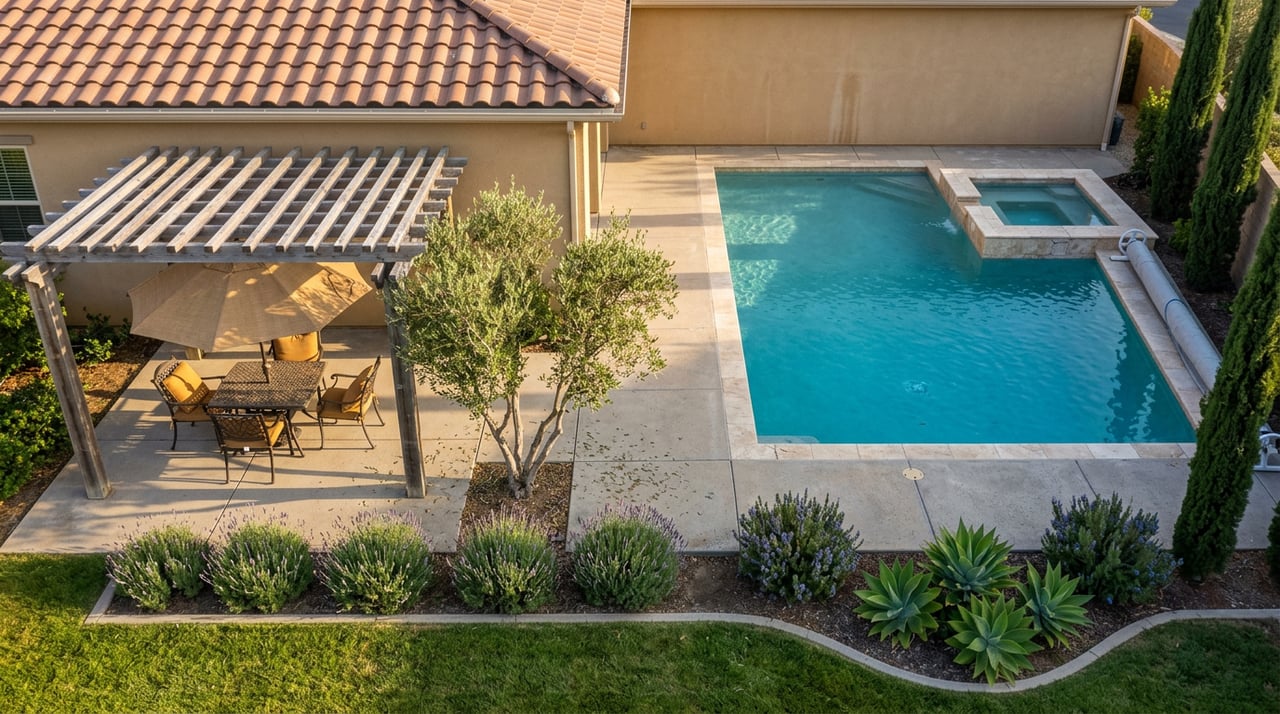
There are also notable outliers. Some newer homes sit on larger elevated lots around 8,799 square feet, while older custom or edge-of-community properties can reach over an acre. That means yard size, privacy, and outdoor feel can change dramatically depending on the exact location.
In Carmel Valley, the difference between an interior tract lot and a home near preserved open space or a canyon edge can be significant. Even if two homes have similar square footage, one may offer a very different sense of privacy, outlook, or yard usability.
That is why buyers should look beyond the listing headline. A home’s relationship to open space, roads, and neighboring homes can shape how it feels day to day just as much as the floor plan itself.
Square footage matters, but layout often matters just as much. Current listing examples in Carmel Valley commonly feature flexible spaces such as main-level bedrooms, lofts, formal dining rooms, offices, and separate living and family rooms.
For many buyers, those details directly affect how well the home fits daily life. A main-floor bedroom and full bath may help with guests or long-term flexibility, while a loft or office can support work-from-home routines or hobby space. In a competitive price range, the right layout can be more valuable than simply buying the largest home available.
When you tour Carmel Valley single-family homes, pay close attention to:
These details can make two similarly priced homes feel very different in everyday use.
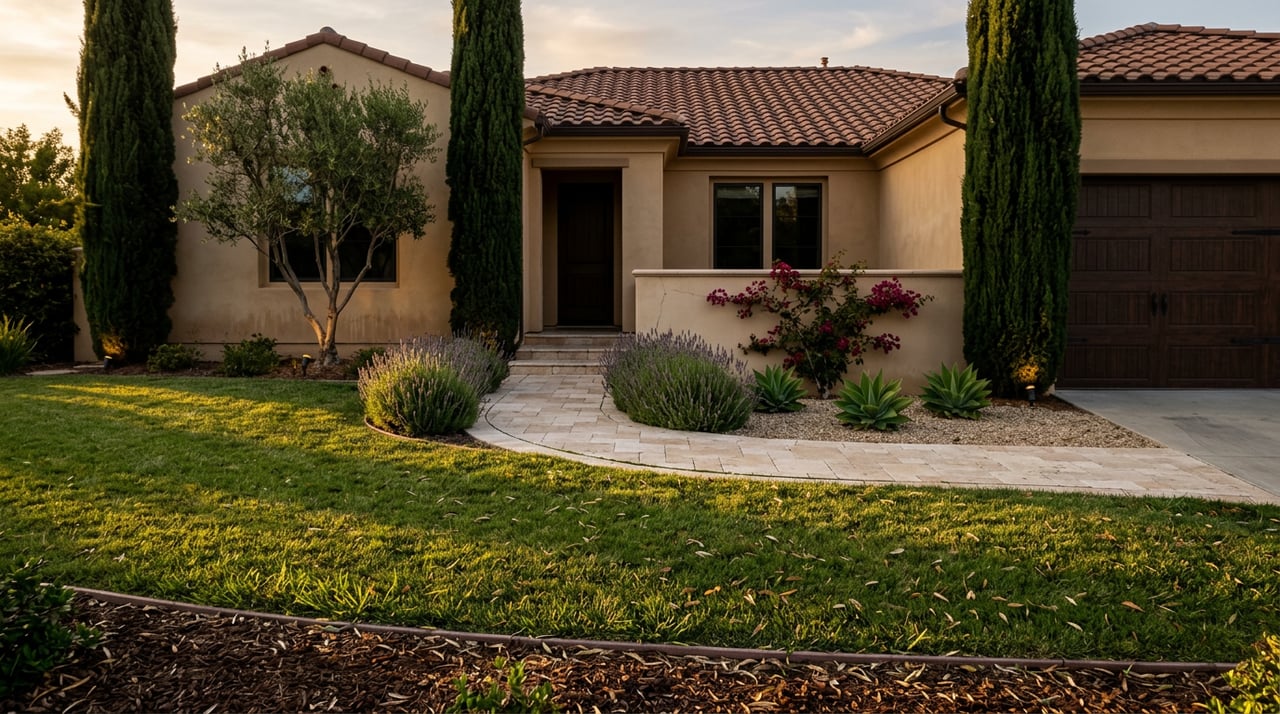
Carmel Valley does not follow one strict house style. The planning framework emphasizes continuity, earth-tone materials, pedestrian-oriented design, and avoiding large flat walls facing the street, but current listings still show a mix of visual styles.
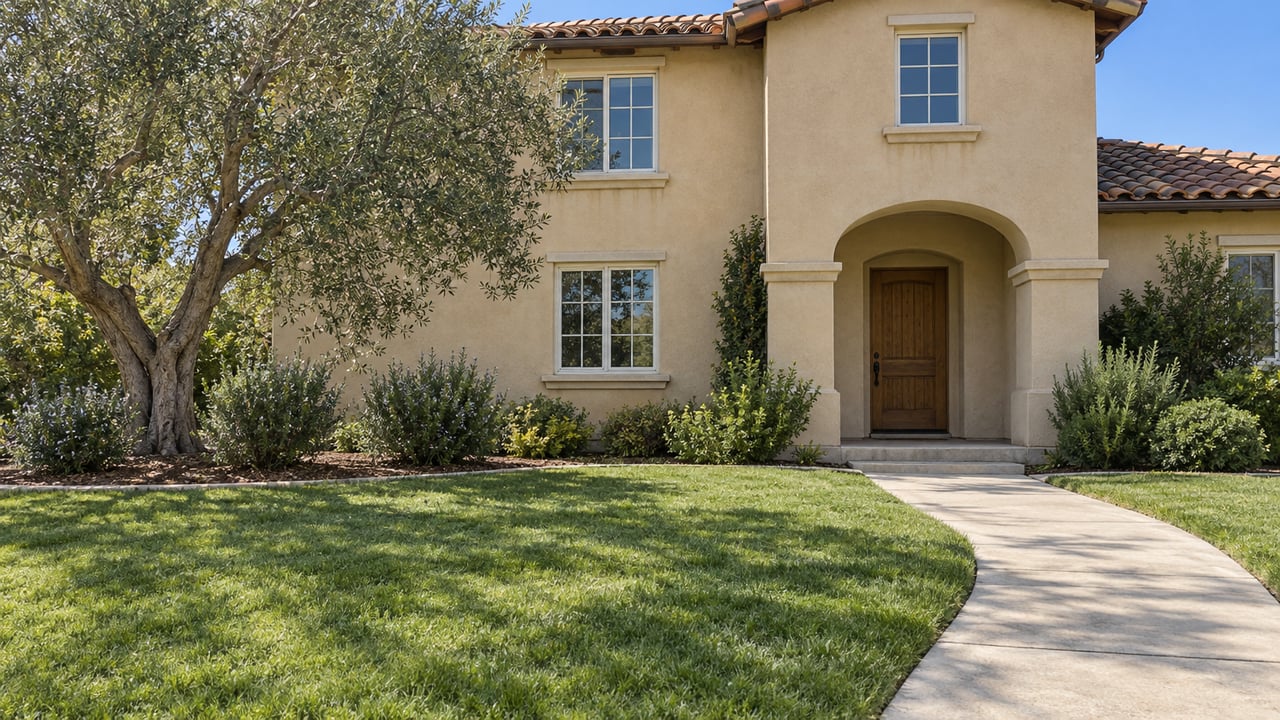
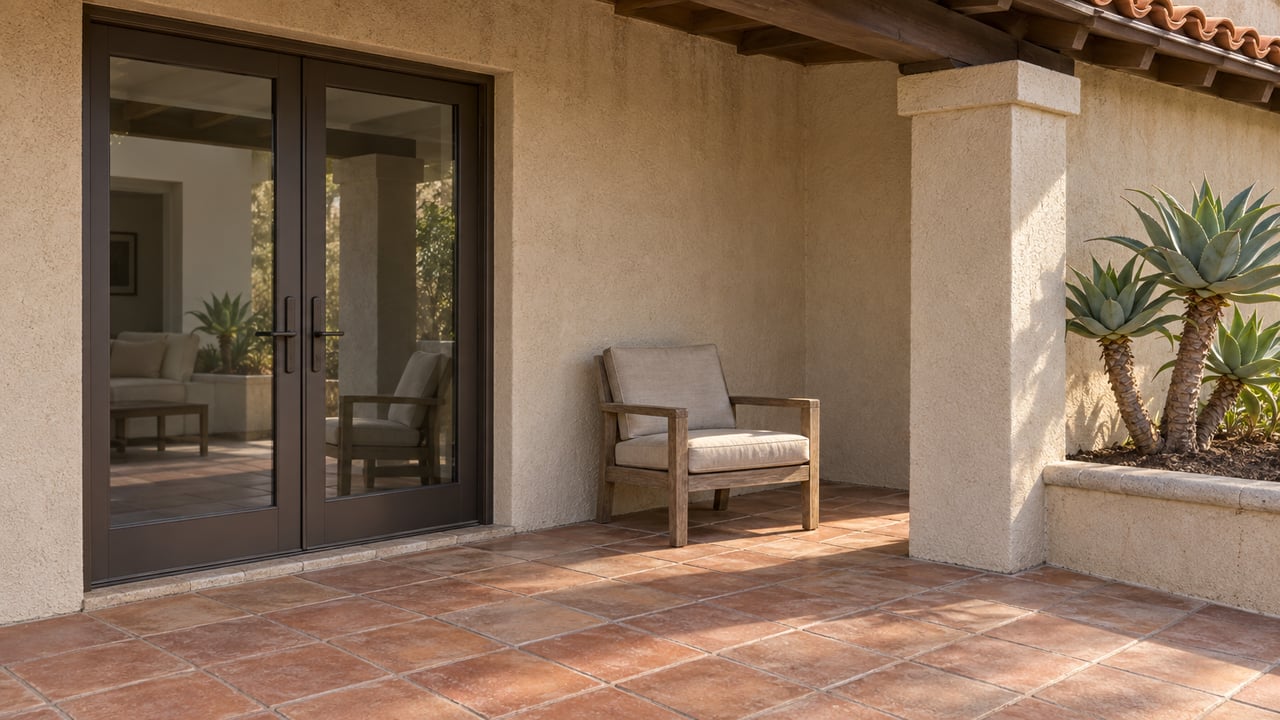
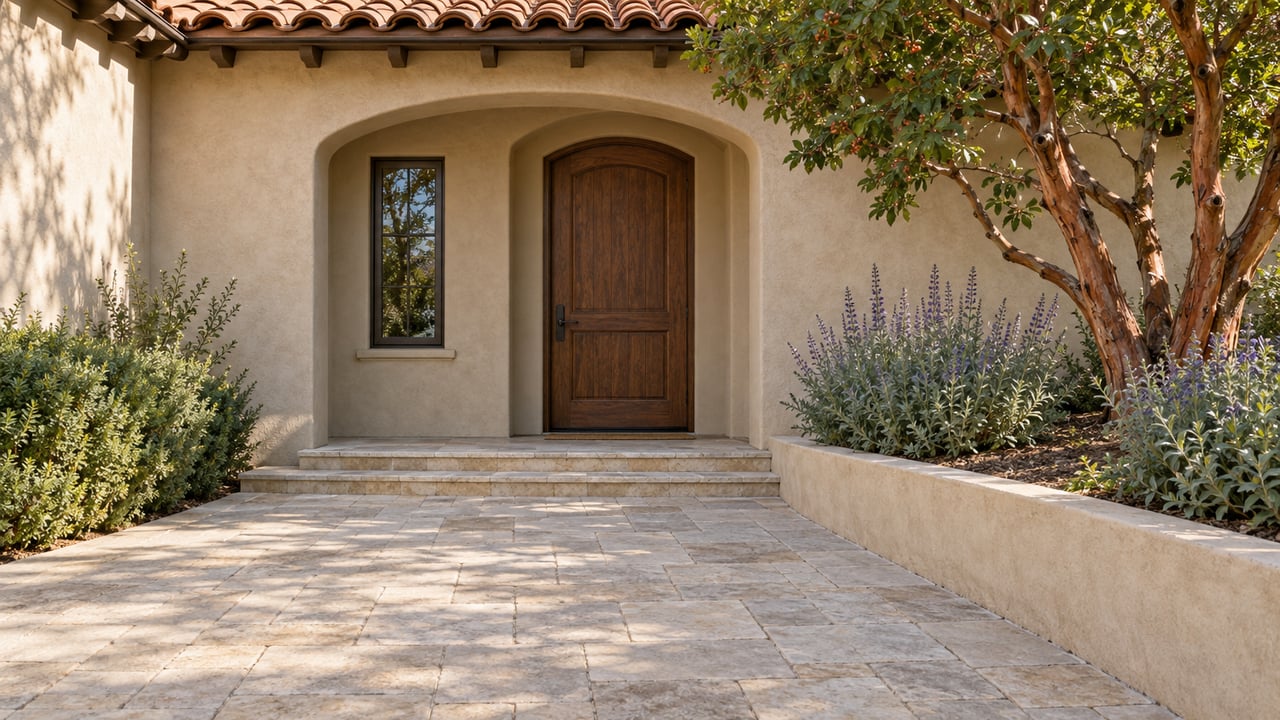
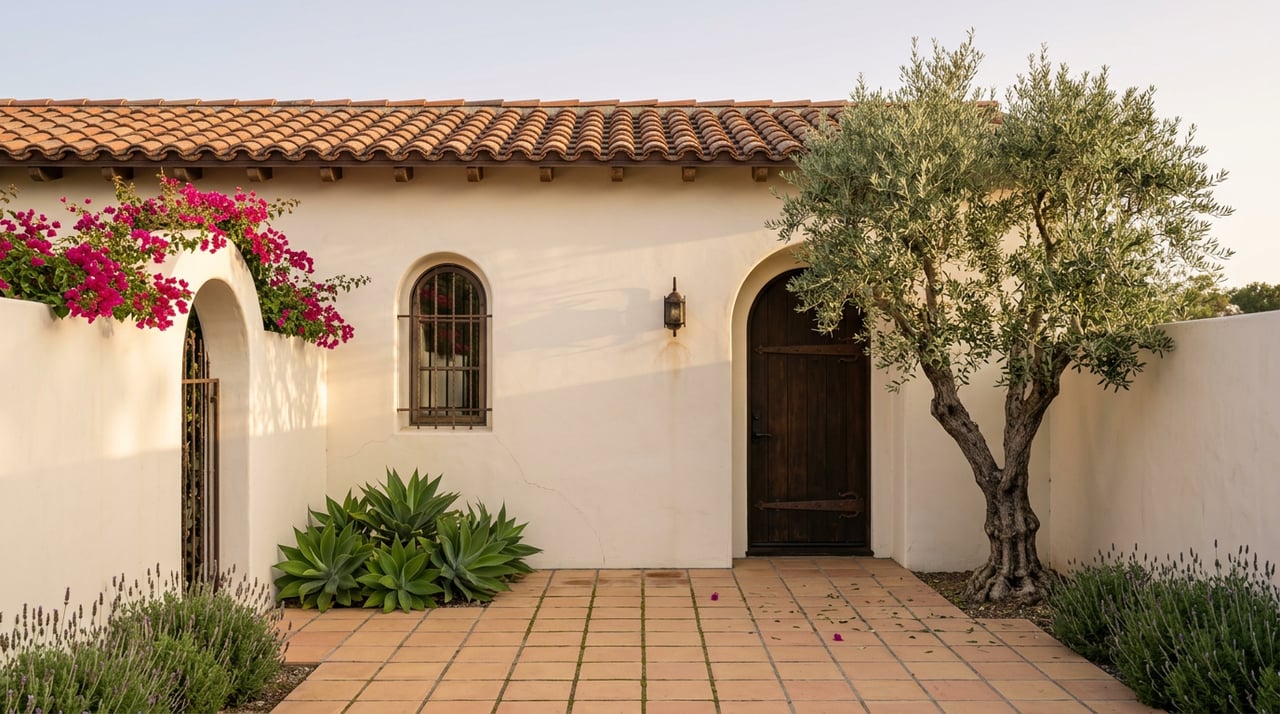
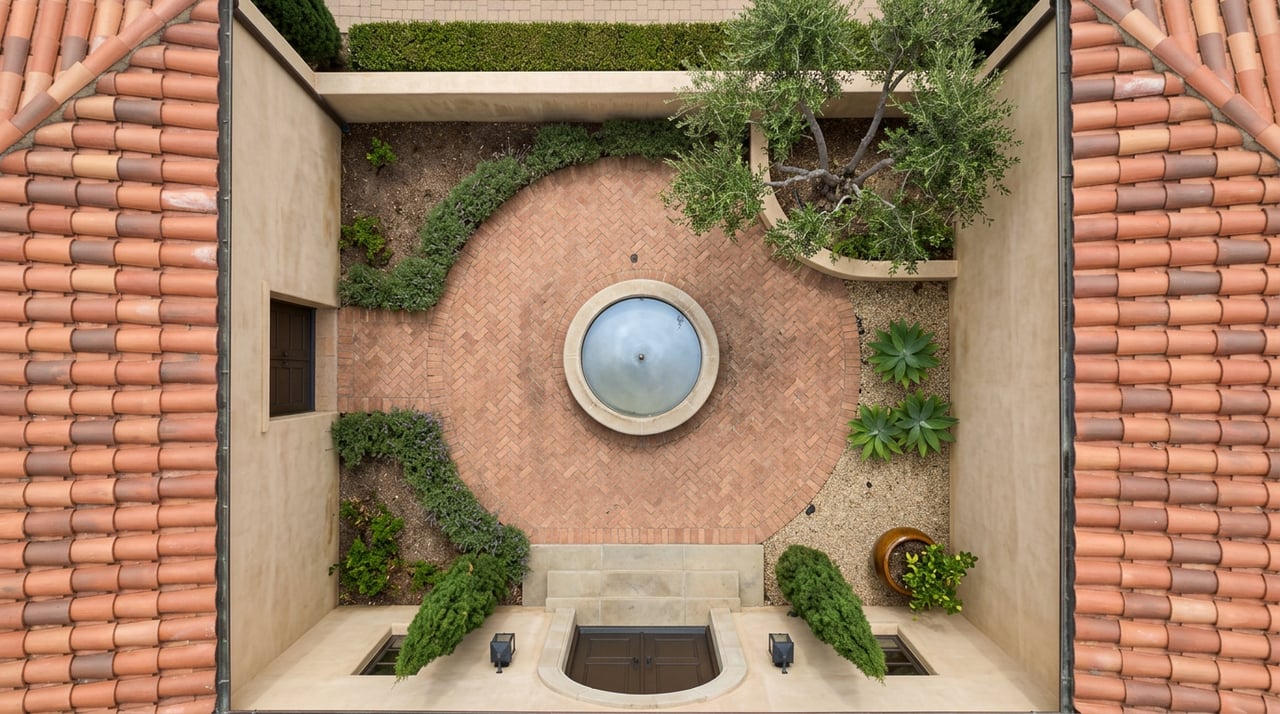
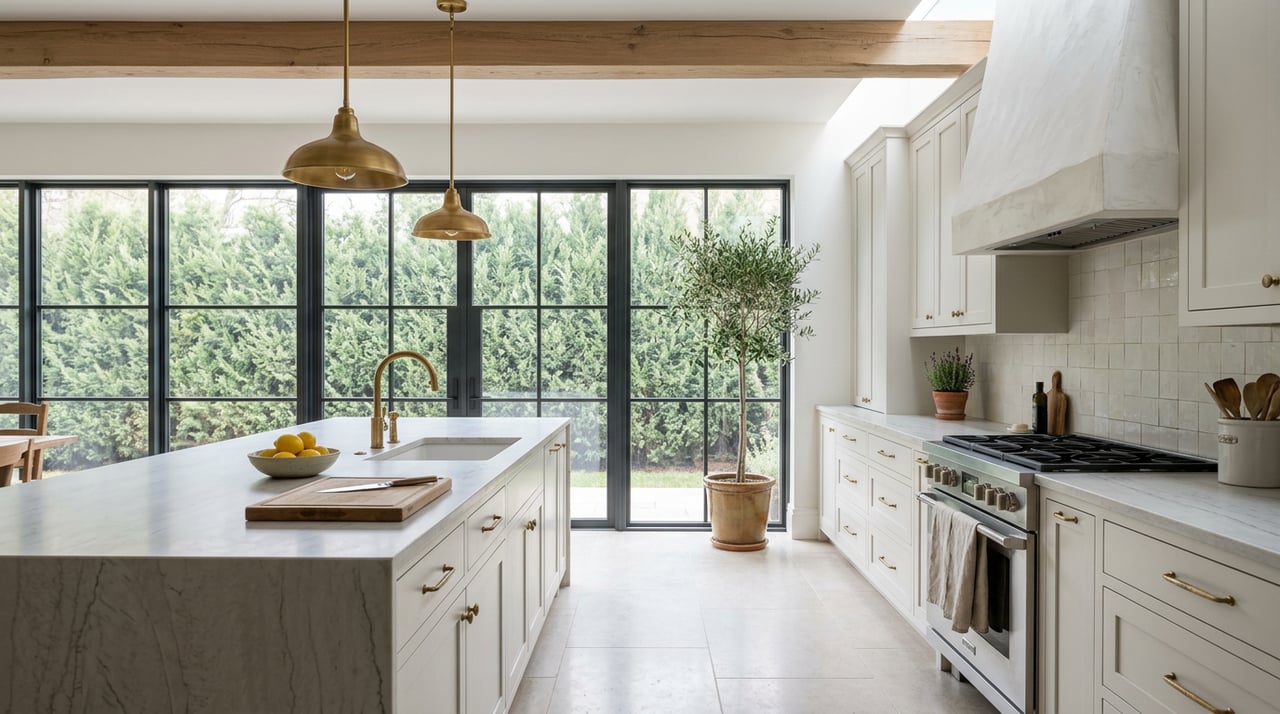
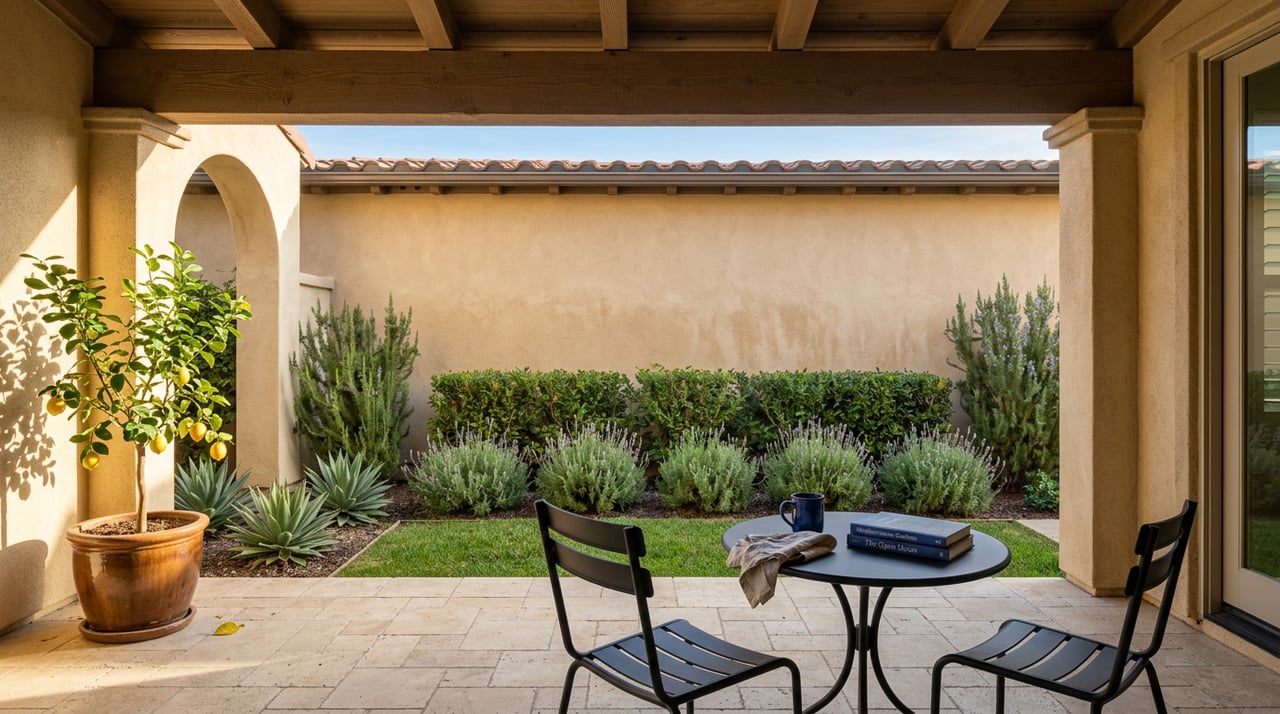
You may see homes described as Spanish-style, modern Spanish, Cape Cod, or coastal-influenced. Common details include archways, courtyards, tile elements, and bright open interiors. For buyers, this means you can often find different design personalities within the same broader community.
Beyond the home itself, Carmel Valley’s broader setting is a big part of its appeal. The City of San Diego highlights many neighborhood parks and open spaces, along with hiking and equestrian trails. Community amenities listed by the city include Carmel Valley Recreation Center, Carmel Valley Skate Park, Carmel Creek Park, Carmel Del Mar Park, Ashley Falls Park, Sage Canyon Park, Solana Highlands Park, Torrey Hills Park, and the Carmel Valley Library.
Shopping and errands often center around Del Mar Highlands Town Center and One Paseo. Road access through I-5, SR-56, El Camino Real, Del Mar Heights Road, and Townsgate Drive helps shape daily routines. In Carmel Valley, convenience tends to be tied more to these road and retail patterns than to one central walkable village.
When comparing homes, it helps to picture your actual week. Consider how easily you want to reach freeway routes, parks, trail access, shopping, and your most common errands.
Two homes may both be in Carmel Valley, but one might offer quicker access to the roads and destinations you use most. That can have a real impact on how convenient the home feels after move-in.
Before you make an offer on a Carmel Valley single-family home, it helps to evaluate the property from a few angles beyond price per square foot.
Some tracts have HOA dues and shared amenities, while others may differ. One current listing shows a $280 HOA with a community pool, which is a reminder to confirm both the monthly cost and what is included.
Look closely at whether the lot is interior, view-oriented, or adjacent to preserved open space. In a community where planning documents emphasize views and visual corridors, lot placement can be a major part of long-term appeal.
Do not focus only on bedroom count. Features like a first-floor bedroom, office, loft, or separate living areas may matter more than a small difference in square footage.
Because Carmel Valley includes multiple precise plan areas, home style, lot size, and neighborhood feel can shift noticeably. A broad search by ZIP code may miss these smaller but important differences.
With median market figures near or above the $2 million range depending on the source, and days on market often relatively short, buyers should be prepared for a market that can move quickly. Good preparation and a clear understanding of priorities can make a big difference.
Carmel Valley rewards buyers who look closely at the details. A detached home here is not just about the number of bedrooms or the list price. It is also about tract design, lot orientation, access patterns, and how the home fits your daily routine.
That is where neighborhood-specific guidance becomes valuable. When you understand how one pocket of Carmel Valley differs from another, you can make a more informed decision and avoid paying a premium for features that do not actually match your needs.
If you are planning a move in Carmel Valley, working with a local team that knows how these homes vary from street to street can help you narrow your options faster and negotiate with more confidence. Reach out to Tim & Angie Todd for personalized guidance on Carmel Valley single-family homes.
Stay up to date on the latest real estate trends.
Get assistance in determining current property value, crafting a competitive offer, writing and negotiating a contract, and much more. Contact us today.