Thinking about selling in 4S Ranch but not sure when to list? Timing affects how quickly you sell, how many buyers you attract, and even how your net looks at closing. If you are planning around a school-year move or a relocation, getting the season right matters even more.
In this guide, you will learn how the 4S Ranch market tends to flow through the year, which months usually deliver the most buyer activity, and how to plan a smooth 60-day countdown to a strong launch. You will also get practical tips on staging, photos, pricing, and first-week strategy. Let’s dive in.
Why timing matters in 4S Ranch
4S Ranch is a master-planned North County community with a large share of single-family homes and townhomes. Many buyers here are local families and commuters. These buyers often try to move before a new school year, which pushes demand higher in spring and early summer.
Industry research from national and California groups shows a clear seasonal pattern. New listings and buyer activity rise in late winter, peak in spring, then gradually cool through late summer and fall. Winter is usually the slowest period. San Diego County data follows a similar arc most years. For a neighborhood like 4S Ranch, the spring peak often aligns with your best window to draw strong traffic and multiple offers when conditions allow.
The 4S Ranch selling calendar
Late winter: January to February
New listings begin to climb off holiday lows and buyer activity starts to pick up. This is a smart time to prepare your home. You can handle repairs, landscaping, staging plans, and disclosures while you aim for a late February to May launch.
Spring: March to May
This is historically the strongest period for home sales. Inventory and buyer traffic are highest, and multiple-offer moments are more likely when demand is strong. Many families list or buy during this window to move in summer. In most years, San Diego County reports show the greatest new listings and pending sales in these months.
Early summer: June
The market is still active, but some buyers show fatigue and travel schedules can slow showings. New listings may spike as more homes hit the market, so your pricing and presentation need to stand out. Buyers looking to move quickly can be motivated to close before late summer.
Late summer to fall: August to October
Activity and inventory often taper. There is usually less competition, but the buyer pool is smaller and price sensitivity can increase. With the right strategy, you can still get a solid result if waiting is not an option.
Winter: November to February
This is the slowest season. Homes that sell often do so because they are well priced, urgently listed, or suit job relocations. Holiday schedules reduce traffic, but motivated buyers are still out there.
What could shift the best time this year
- Mortgage rates. Lower rates expand the buyer pool. Higher rates can dampen demand even in spring.
- Inventory trends. If winter inventory is very low, listing earlier can capture pent-up demand. If spring inventory looks crowded, you may choose a sharper presentation or a slightly adjusted timeline.
- Local events and policies. School calendars, major community events, or planned construction can affect showing patterns and buyer urgency.
- Local comps and searches. Review the last three years of monthly data for 4S Ranch to confirm seasonality for your price band. Track new listings, pendings, days on market, and months of supply.
Two spring launch scenarios to consider
Scenario A: Early March launch
- Pros: You get ahead of the highest April and May competition. You catch family buyers who want a spring escrow and summer move.
- Cons: You must start prep in January or early February. Weather is usually not an issue in San Diego, but landscaping may need an extra refresh.
- Tactics: Aim for pro photos in late February. List on a Thursday or Friday to maximize first-weekend showings.
Scenario B: Late April launch
- Pros: You hit peak buyer traffic in many years. Outdoor spaces look their best, which helps curb appeal.
- Cons: You may face more competing listings. Pricing and staging must be dialed in to stand out.
- Tactics: Use a strong pre-launch plan and consider a broker preview midweek. Monitor active comps daily so you can adjust if a similar home lists nearby.
Your 60-day spring listing checklist
Use this countdown to stay on track. Adjust up or down based on your home’s condition and calendar.
Week 8 to 6 before list date (60 to 42 days)
- Select your listing agent and schedule a pricing preview and CMA review.
- Order optional pre-listing and pest inspections to surface repairs early.
- Begin repairs for roofing, HVAC, plumbing, and safety items.
- Collect documents: deed, HOA contacts, warranties, manuals, and upgrade records.
- Review neighborhood comps and the last three years of monthly data for your target launch month.
Week 6 to 4 before list date (42 to 28 days)
- Complete major repairs and any work that needs permits.
- Paint in neutral colors where helpful and address flooring issues.
- Hire a professional stager or finalize a room-by-room staging plan.
- Schedule landscaping, tree trimming, irrigation fixes, and a front-yard refresh.
- Declutter, remove personal photos, and start pre-packing nonessential items.
Week 4 to 2 before list date (28 to 14 days)
- Deep clean interiors, carpets, windows, and gutters. Book a pro cleaning 1 to 3 days before photos.
- Finalize staging and furniture placement.
- Coordinate signage, lockbox, and showing instructions with your agent.
- Draft seller disclosures and order HOA documents if applicable.
- Map your marketing plan for the first 14 days, including open house dates, a broker preview, and online promotion.
Week 2 to 1 before list date (14 to 7 days)
- Do a final walkthrough to confirm repairs and touch-ups are complete.
- Confirm photographer, videographer, and virtual tour appointments.
- Arrange pet care or off-site plans for photos and showings.
- Book mover or storage if staging requires removing furniture.
Week 1 to launch (7 to 0 days)
- Photo day checklist: clear counters, make beds, turn on lights, clean windows, and tidy outdoor spaces.
- After photos: complete MLS input and finalize virtual tours and floor plans.
- Consider a midweek broker preview to give agents an early look.
- Launch on a Thursday or Friday. Schedule your first open house that weekend.
- First week: gather feedback, review offers, and adjust showings or pricing if needed.
Staging, photos, and first-week strategy
Photo timing and visual assets
Order professional photos as your final prep step so your home shows at its best. Focus on the exterior, main living spaces, kitchen, primary bedroom, and outdoor areas. A twilight exterior can help curb appeal when appropriate. Virtual tours and floor plans attract serious buyers online. Drone photos can be useful for larger lots or views. Confirm HOA and local drone rules before scheduling.
List within 1 to 3 days of your photo shoot. Most buyer traffic happens in the first two weeks, so be ready to capitalize on the momentum.
Staging and curb appeal priorities
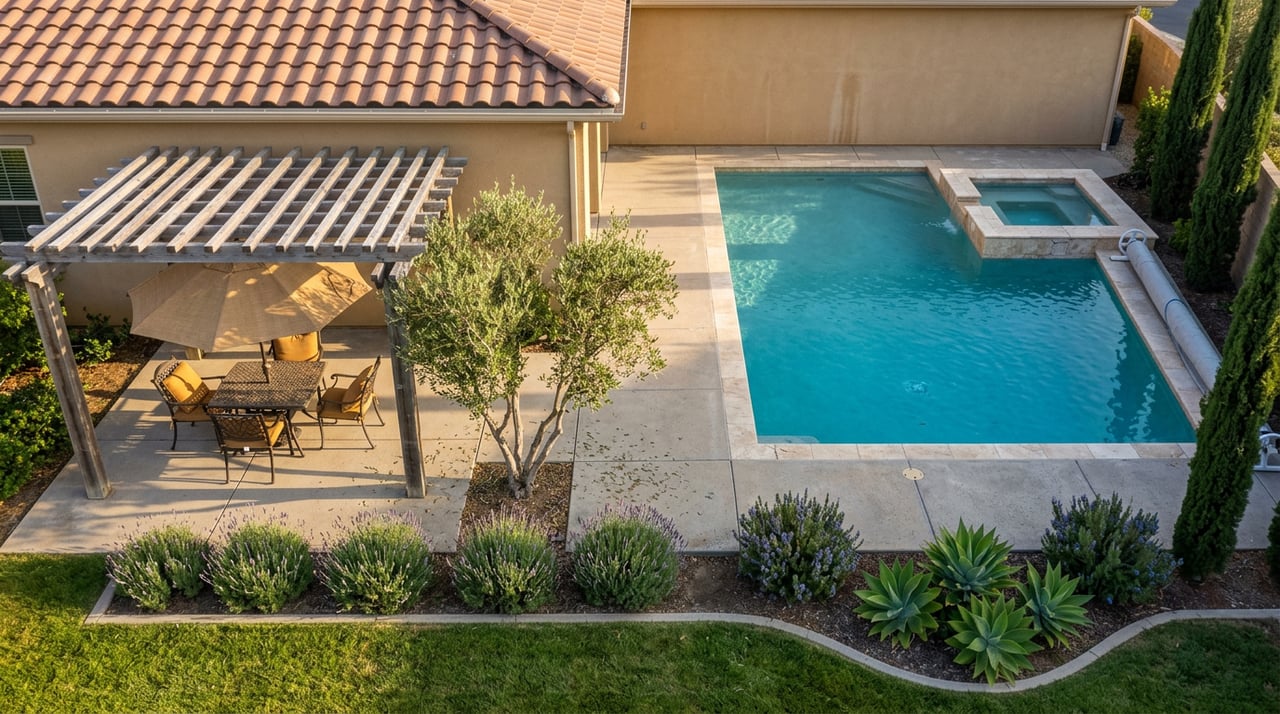
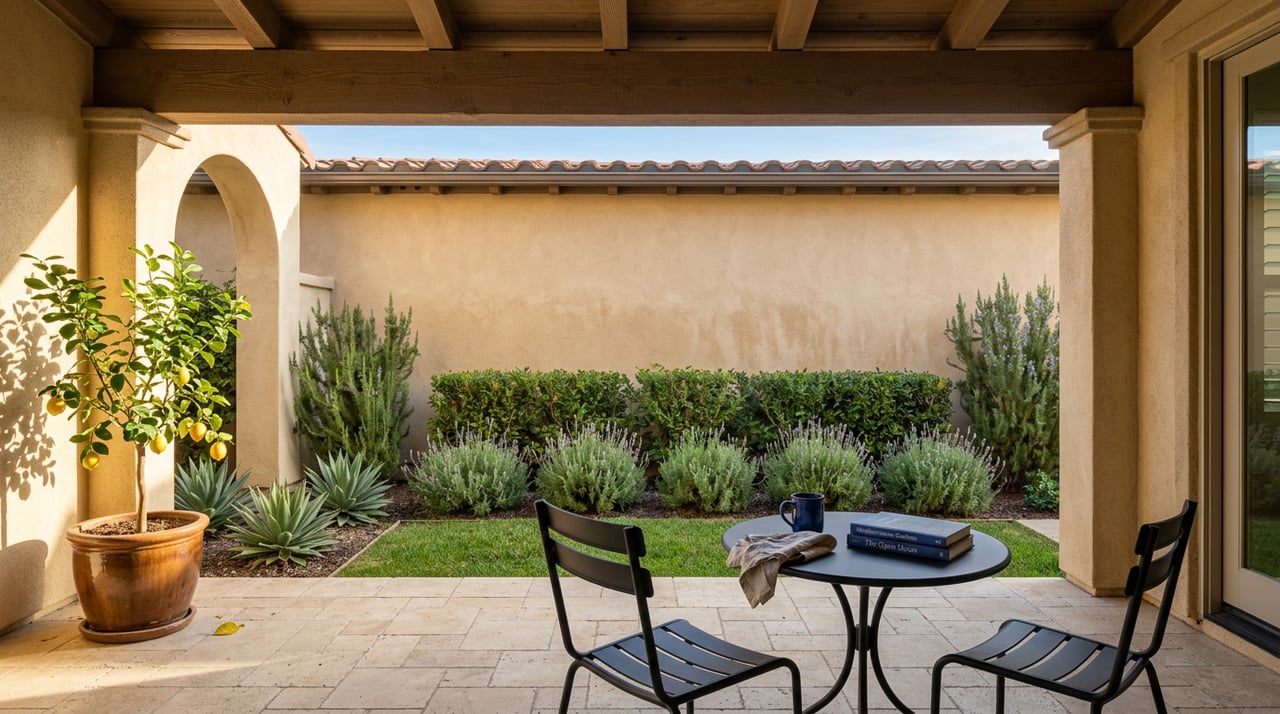
Prioritize the spaces buyers remember. The kitchen, main living area, primary bedroom, and outdoor living spaces should feel bright, clean, and inviting. Small updates like fresh paint, new hardware, and a landscaping refresh can make a big difference. For higher-priced homes, full staging often pays off. For others, targeted staging and styling work well. Virtual staging is an option if physical staging is not practical. Disclose virtual edits clearly.
Pricing and the first 14 days
Use a pricing preview with recent comps from 4S Ranch or nearby subdivisions. Adjust for condition, upgrades, lot, and any views. In stronger spring markets, slightly under market can drive competition. In higher-inventory seasons, accurate market pricing with a clear value story performs best. Your first two weekends are crucial. Keep showings accessible and respond to feedback quickly.
Required disclosures and HOA prep in California
California sellers must provide required disclosures, including the Transfer Disclosure Statement and the Natural Hazard Disclosure, along with any state and local forms. If your home is in an HOA, gather governing documents, financials, and reserve studies early. A pre-listing inspection for roof, HVAC, or pest can speed up negotiations and reduce surprises. Discuss the pros and cons with your agent.
What to ask your agent before you list
- Which two or three launch dates fit the market this year and why?
- What do the last three years of monthly 4S Ranch data show for new listings, pendings, median price, days on market, and months of supply?
- What is the projected days on market and likely selling range for my home in my price band?
- What is the marketing plan for the first 14 days, including photos, tours, open houses, and online promotion?
- Which stagers, landscapers, cleaners, and photographers do you recommend, and what is the timeline?
- How quickly can you obtain HOA documents and prepare disclosures?
When listing outside spring makes sense
- You have a job transfer or other time-sensitive move.
- Inventory is unusually low in your price range and buyers are waiting.
- You have a highly unique home that stands out year-round.
- Financial or life events make an earlier sale the right choice.
Your next step
If you want to catch the spring-to-early-summer window in 4S Ranch, start planning 6 to 12 weeks before your target list date. With a clear timeline, thoughtful staging, strong photos, and a data-backed price, you can make the most of the season.
Ready to map your timeline or get a free valuation? Connect with Tim & Angie Todd for a neighborhood-level timing consult and a custom 60-day plan.
FAQs
What is the best month to sell a home in 4S Ranch?
- Spring months, especially March through May, often see the strongest buyer activity, though the right month can shift with rates and inventory.
How far in advance should I start preparing to sell?
- Plan 6 to 12 weeks ahead so you have time for repairs, staging, landscaping, photos, and disclosures before your target launch date.
Should I stage my home before listing in 4S Ranch?
- Staging usually improves presentation, speeds up the sale, and can support stronger pricing; the scope depends on your home and price range.
When should I schedule listing photos?
- After decluttering and staging, and when curb appeal looks its best; list within 1 to 3 days to capture peak online interest.
Which disclosures are required to sell in California?
- You will need the Transfer Disclosure Statement, Natural Hazard Disclosure, and applicable local forms; HOA documents should be prepared early if your home has an association.