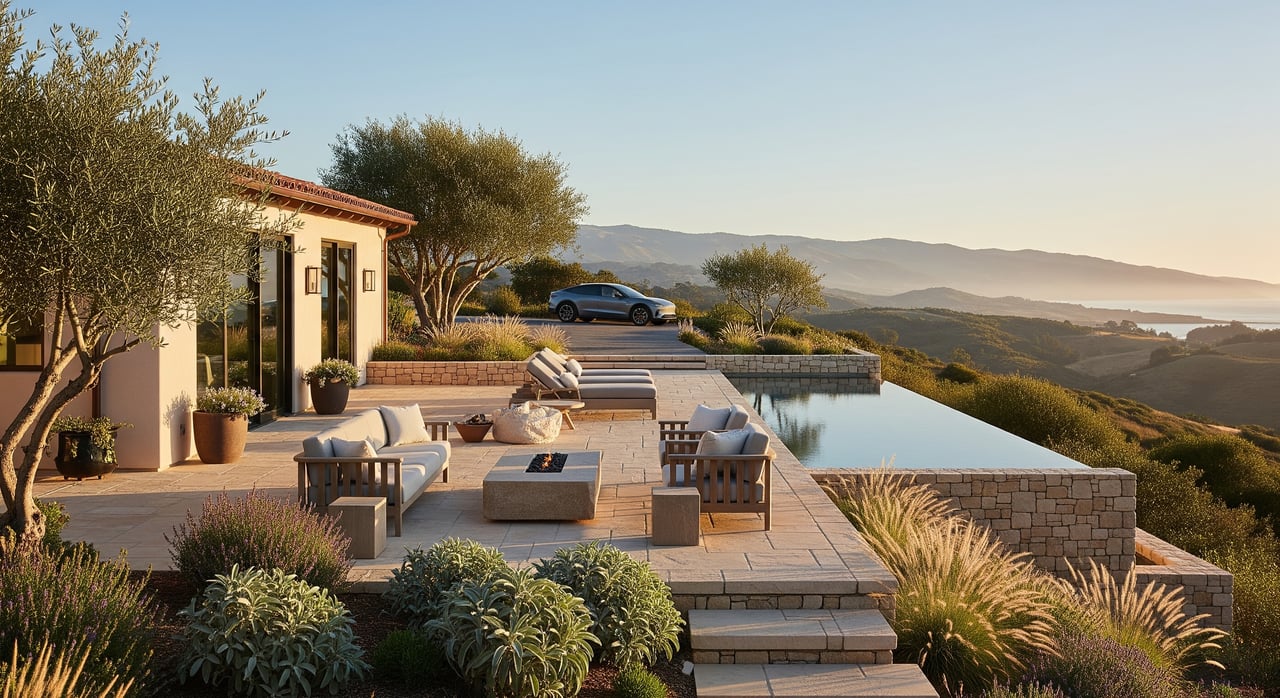
Carmel Valley Living Guide to Homes, Commutes & Coast
February 5, 2026
February 5, 2026
Wish you could live minutes from the beach without giving up a quiet, suburban lifestyle and strong everyday conveniences? If you are weighing North County options, Carmel Valley often rises to the top for its mix of housing, commute access, and outdoor amenities. In this guide, you will learn what it feels like to live here, from home types and HOAs to drive times, trails, and practical buyer tips. Let’s dive in.
Carmel Valley sits in northern coastal San Diego, just inland from Del Mar and south of Encinitas, with La Jolla and UTC to the south. You are close to the I-5 corridor and State Route 56, so regional access is straightforward. The area is largely master-planned, suburban, and residential with sidewalks, pocket parks, and community-focused neighborhoods.
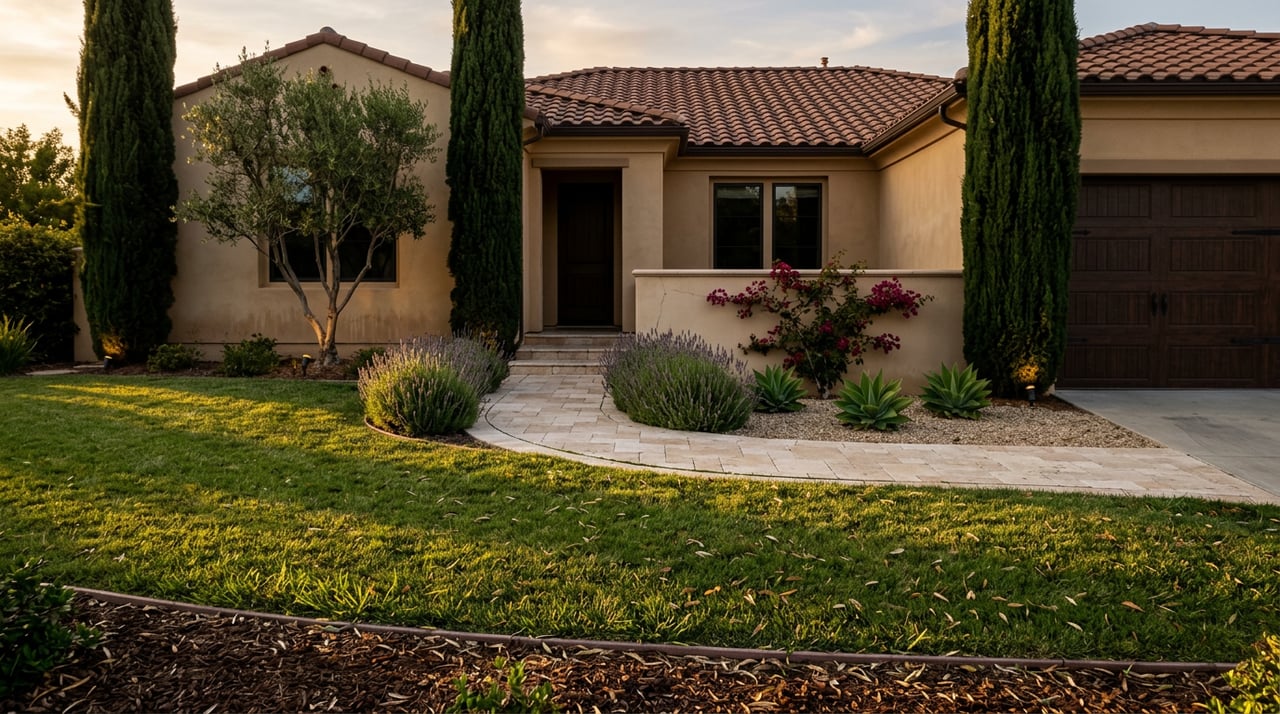
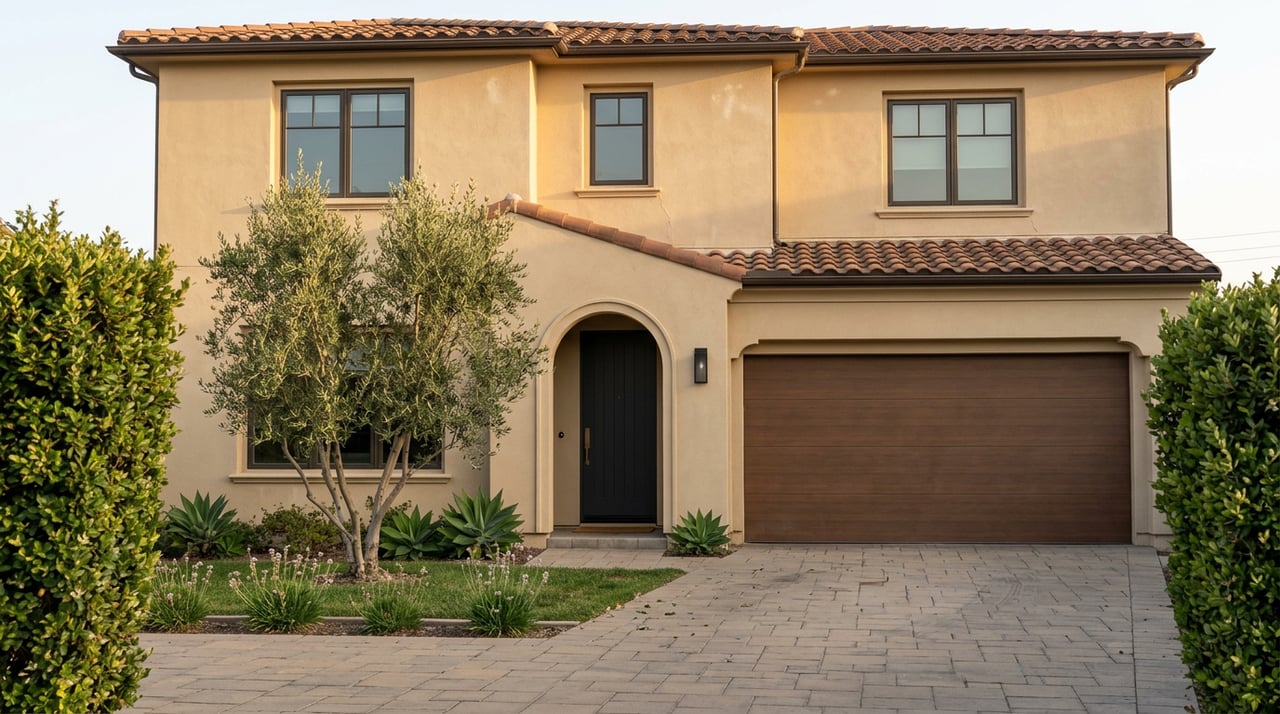
Public-safety indicators tend to be better than the city average, and many residents work in tech, biotech, healthcare, and professional services. Most homes were built from the 1980s through the 2000s, with ongoing remodels and select newer infill. You will see stucco and contemporary styles, moderate yards, and many HOA-managed communities.
Carmel Valley’s housing stock is heavy on single-family homes with three to five or more bedrooms. You will also find clusters of townhomes and condos, especially near shopping centers and main roads. Many neighborhoods feel intentionally planned, with parks and schools nearby.
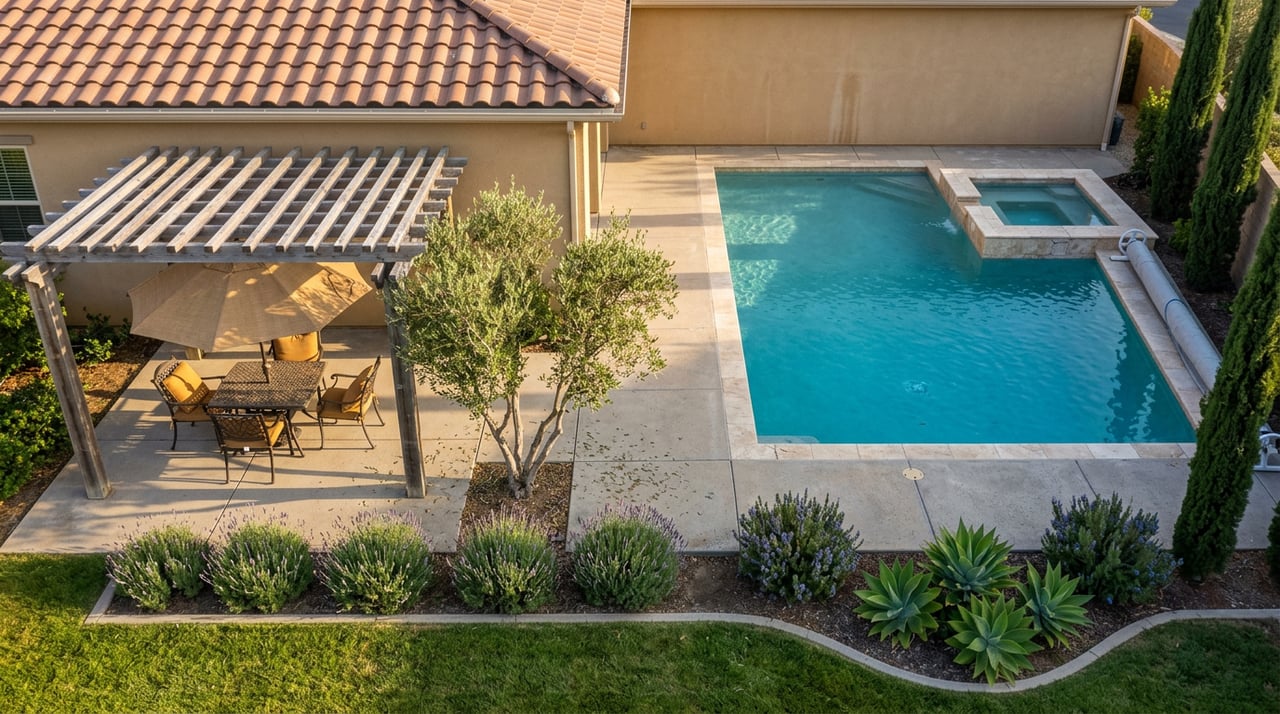
A lot of properties fall within homeowners’ associations. HOAs typically maintain shared landscaping and amenities like pools or clubhouses. The trade-off is monthly or annual fees and community rules. It is smart to review CC&Rs and budgets before you write an offer.
Carmel Valley sits above the city’s median price level due to its location, school access, and overall appeal. Inventory can be tight, especially for move-in-ready single-family homes, so competition may rise when listings are scarce. Condos and townhomes can offer a more affordable entry point, but supply is often limited.
The main arterials are Carmel Valley Road and Del Mar Heights Road, with quick connections to SR-56 and I-5. Typical non-peak drive times are:
Expect slowdowns during weekday peak periods, especially on SR-56, the I-5 north–south stretch, and the east–west connectors like Del Mar Heights Road and Carmel Valley Road. Your specific location within Carmel Valley can make a noticeable difference in commute predictability.
Multiple bus routes link Carmel Valley to UTC, UCSD, Sorrento Valley, and downtown. Transit is usable for major employment hubs, though it is often slower than driving. The Mid-Coast Trolley extension improves access to UCSD and UTC for many northern communities, though you will likely pair it with a short drive or a connecting bus. The COASTER commuter rail runs along the coast from nearby stations such as Solana Beach, which typically involves a brief drive to park and ride.
Sidewalks and bike lanes are common, and some micro-areas are moderately walkable to shopping centers and parks. Many daily trips still rely on a car. Confident cyclists can commute to nearby hubs on selected routes, but some arterial riding is part of the equation.
One of the biggest perks is how close you are to the coast. Torrey Pines State Beach and Torrey Pines State Natural Reserve are top draws, with Del Mar and Solana Beach also within a short drive. Depending on traffic and where you live in Carmel Valley, you can usually reach sand and surf in about 10 to 25 minutes.
If you love trails, you will have plenty of options. Los Peñasquitos Canyon Preserve is nearby with multi-use paths and a natural creek corridor. Del Mar Mesa Preserve and Black Mountain Open Space Park expand your choices for hiking, trail running, and mountain biking.
Many subdivisions include parks, playgrounds, and open spaces, and some HOAs offer pools and clubhouses. Recreation centers and local sports fields support a steady calendar of after-school and weekend activities.
Carmel Valley is known for access to high-performing public schools and several private options. School access is a major driver of demand for the area. Since boundaries and assignments can change over time, verify current attendance maps directly with the district and each school.
You will find a range of everyday needs at local centers, including grocery stores, pharmacies, fitness studios, and casual dining. Del Mar Highlands Town Center is a popular hub. For broader retail and entertainment, residents often head to UTC, La Jolla, and Del Mar.
Major healthcare providers such as UC San Diego Health and Scripps operate hospitals and medical offices within a moderate drive. Specialty care and hospital services are concentrated in La Jolla and central San Diego, which are convenient from Carmel Valley.
The neighborhood leans quiet and community-oriented. Expect family-friendly restaurants, cafes, farmers markets, library branches, and school-centered events. For a livelier night out, many residents go to Del Mar, La Jolla, or downtown San Diego.
You may love Carmel Valley if you want a suburban setting near top job centers and beaches, but you are not looking for an urban nightlife scene right outside your door. Beach days, trail time, and neighborhood parks are easy to reach, and the daily routine is streamlined by quick freeway access.
Keep in mind that many homes have HOAs, competition can be strong for updated single-family properties, and most errands still require a car. If you value convenience, outdoor access, and steady resale demand, this area deserves a close look.
Carmel Valley’s draw includes access to beaches, employment centers, and schools. Homes near parks, transit connectors, and shopping centers tend to see strong buyer interest. Well-maintained properties in convenient locations usually enjoy healthy resale prospects over time.
Ready to explore Carmel Valley with a local, consultative approach? Whether you are buying, selling, or relocating, connect with Tim & Angie Todd for neighborhood-level guidance, a precise pricing and marketing plan, and a streamlined path to your next move.
Stay up to date on the latest real estate trends.
Get assistance in determining current property value, crafting a competitive offer, writing and negotiating a contract, and much more. Contact us today.