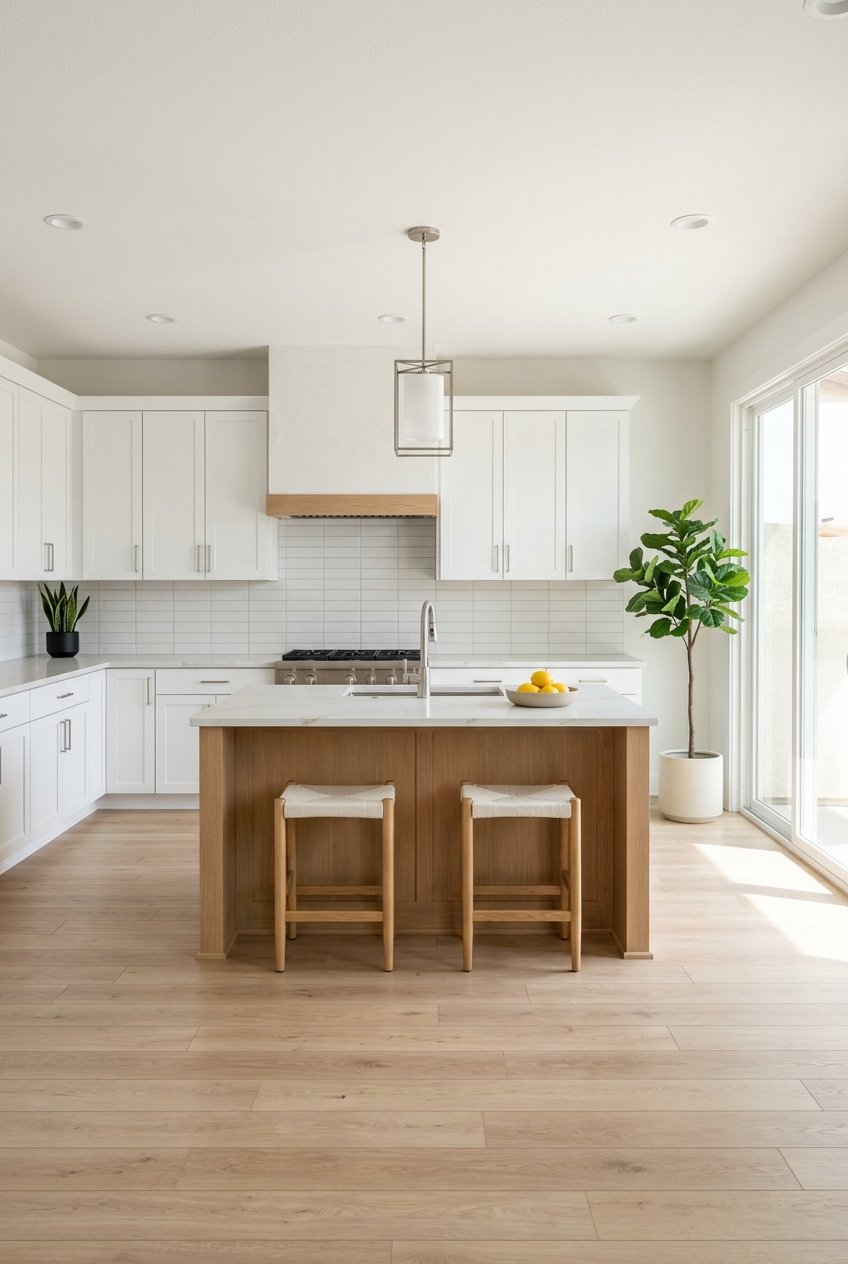
Marketing Your Carmel Valley Home In A Digital-First Market
June 11, 2026
June 11, 2026
If your Carmel Valley home is going to make a strong first impression, it will likely happen on a screen before it happens at the front door. In a market where buyers move quickly and compare homes online within minutes, your digital presentation can shape how much attention your listing gets and how seriously buyers take it. When you understand how pricing, timing, photos, video, and listing copy work together, you can launch with more confidence and a better strategy. Let’s dive in.
Carmel Valley sits in a distinct tier of the San Diego market. Over the three months ending April 2026, homes there sold for a median of $2,155,149 and went pending in about 16 days, compared with a county median of $927,409 and about 23 days to go pending. That tells you buyers are active, expectations are high, and the first days on market matter.
This is also a community where lifestyle plays a major role in buyer interest. The City of San Diego describes Carmel Valley as a master-planned community with offices, hotels, shopping, restaurants, parks, a recreation center, open space, and an extensive trail system. When you market a home here, buyers are not just evaluating bedrooms and bathrooms. They are looking at how the home fits into daily life.
In a digital-first market, your listing should not go live until the presentation is ready. Research shows the first few days online carry extra weight, and buyers often decide quickly whether a property deserves an in-person visit. A rushed launch can cost you attention that is hard to regain.
That is why staging, repairs, photography, and listing copy should be completed before your home hits the market. Digital marketing works best when every element supports the same goal: helping buyers understand the value of your home right away. In Carmel Valley, that often means combining polished presentation with a pricing strategy that feels grounded and credible.
Some sellers think great marketing can overcome an aggressive price. In reality, the research points to a more balanced approach. Even in Carmel Valley’s competitive market, 23.3% of listings had price drops in April 2026, which shows that buyers still respond best to homes that are priced correctly from day one.
At the same time, strong listings can create upside. About 29.9% of homes sold above list price, the median sale-to-list ratio was 99.8%, and hot homes could sell for about 2% above list while going pending in roughly 8 days. That means your best opportunity often comes from pairing disciplined pricing with a polished digital debut.
A premium Carmel Valley listing package should help buyers see the home clearly, imagine daily life there, and understand what makes the property valuable. The strongest digital campaigns usually include several pieces working together instead of relying on one hero photo or a few lines of copy.
Here are the core elements that matter most:
When these pieces are aligned, your listing feels more complete and more trustworthy.
Photos remain the most important online feature for many buyers. Research from NAR found that 81% of buyers rated listing photos as the most useful feature in their online home search. That means your photo gallery is often your first showing.
For Carmel Valley homes, bright and realistic photography matters more than dramatic effects. Clean composition, natural light, and balanced color help buyers focus on the home itself. Distorted wide-angle shots and overly styled images can create disappointment when buyers visit in person, which is the opposite of what you want.
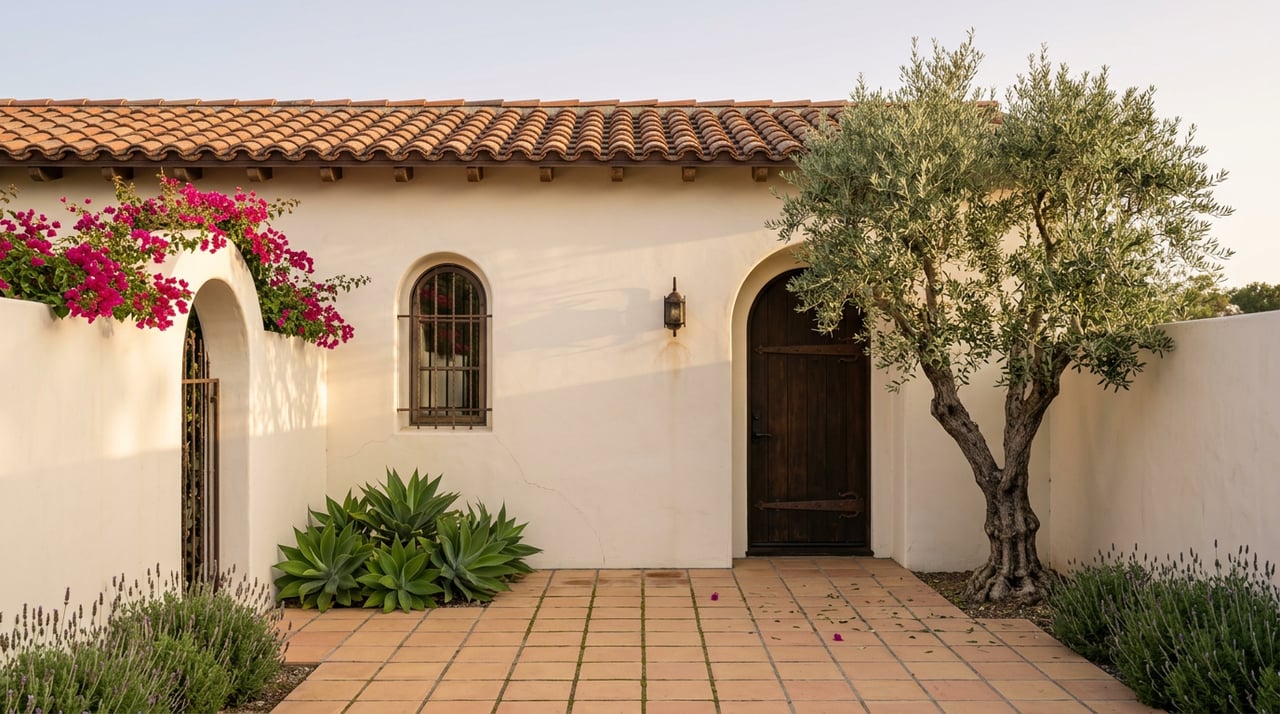
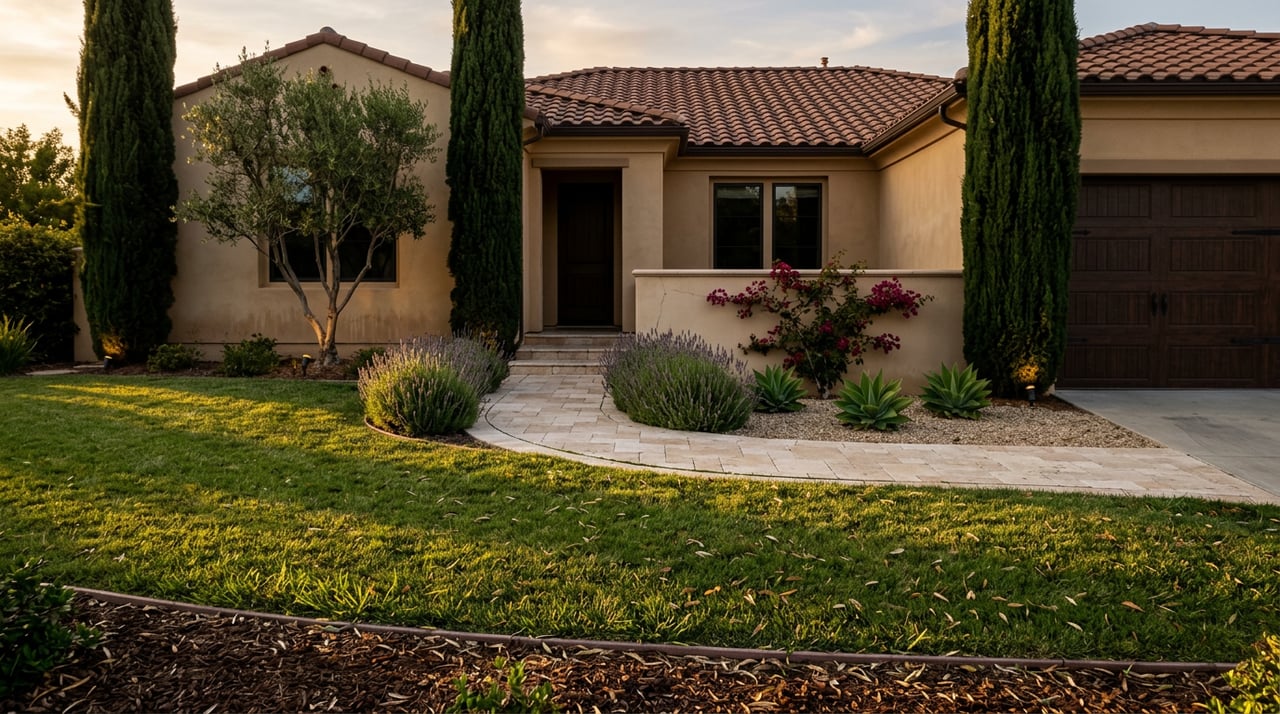
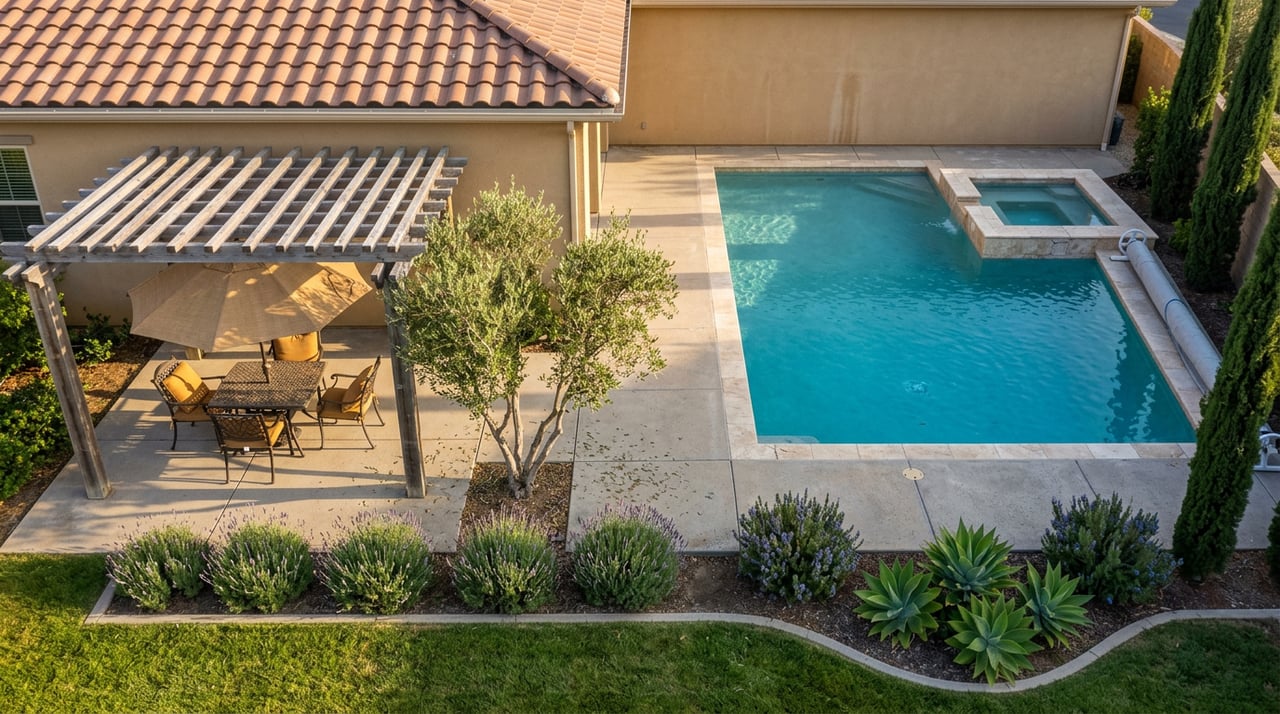
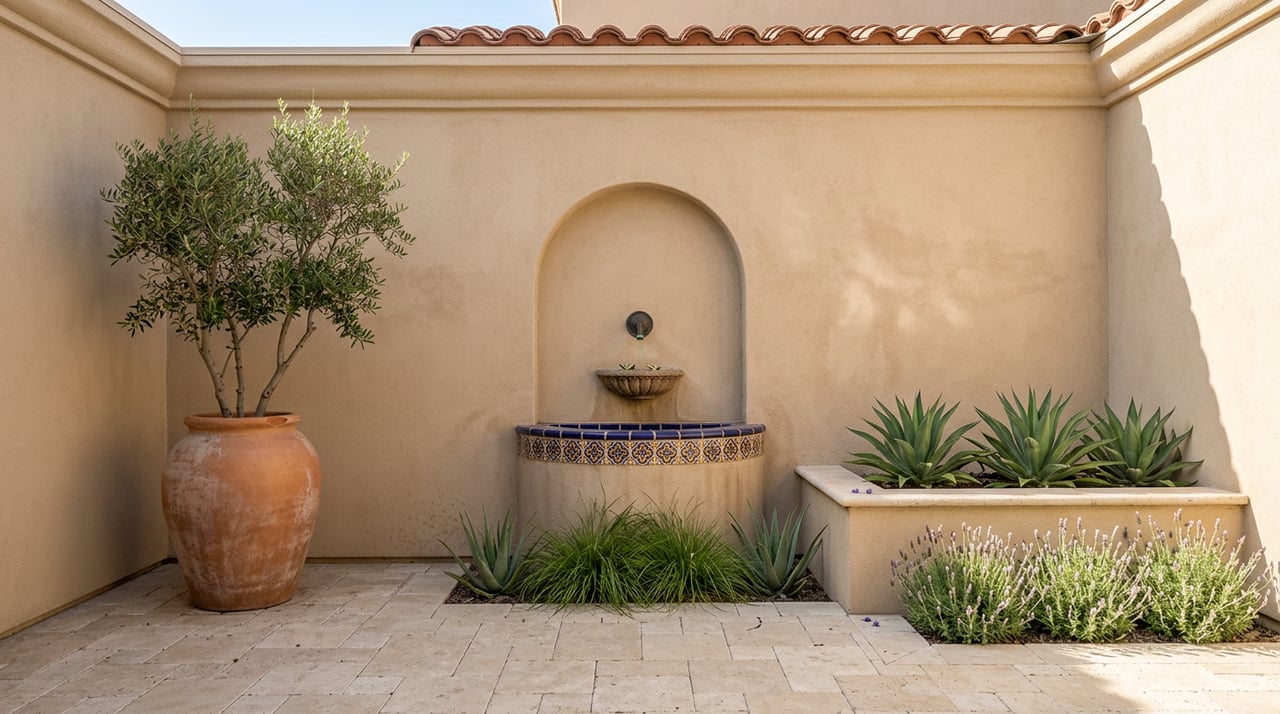
A strong photo sequence should also reflect how buyers think. Instead of only emphasizing interior square footage, your gallery should show curb appeal, outdoor space, and the features that support everyday living. In Carmel Valley, a front exterior image or a lifestyle-oriented shot early in the gallery can help connect the home to the neighborhood experience buyers are seeking.
Staging is not about making your home look artificial. It is about helping buyers understand scale, function, and flow. NAR’s 2025 staging report found that staging made it easier for 83% of buyers’ agents to help buyers visualize a property as their future home.
The same research found that the rooms most often staged or considered especially important were the living room, primary bedroom, dining room, kitchen, and outdoor or yard areas. That lines up well with how many buyers shop in Carmel Valley, where they are often evaluating both the home and the lifestyle it supports.
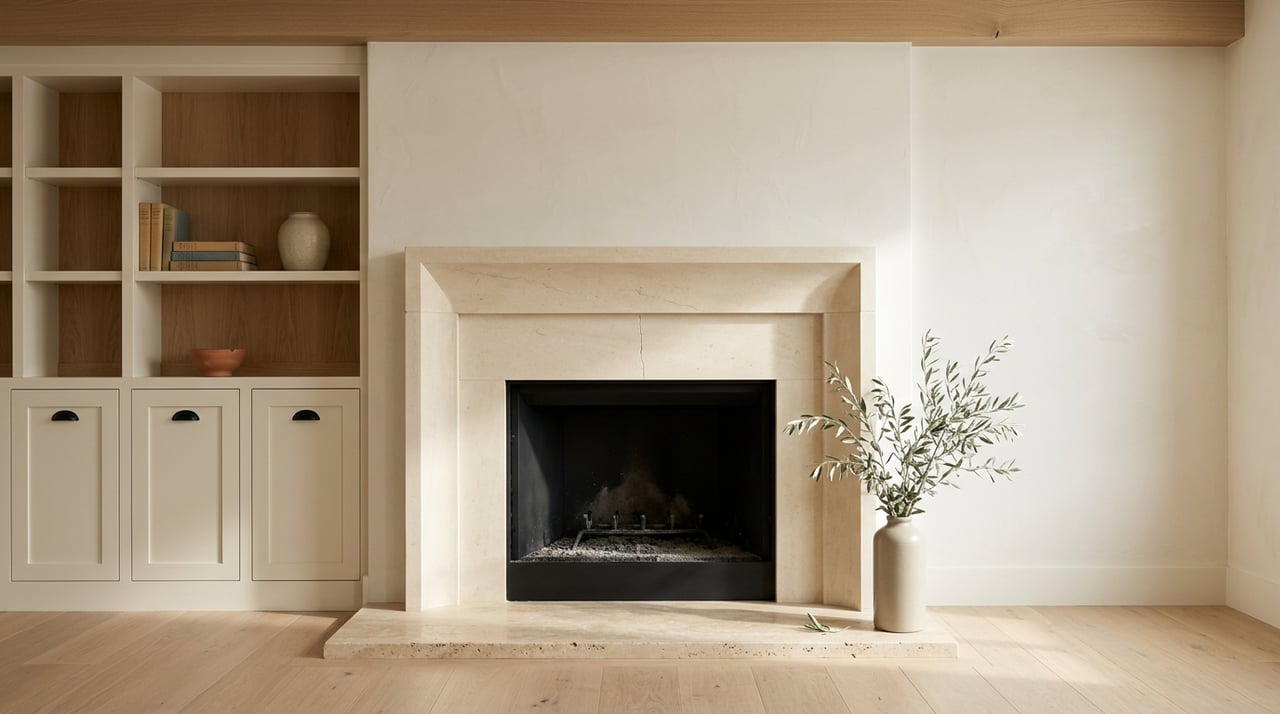
Good staging should feel clean, calm, and believable. The goal is to remove distraction, define spaces clearly, and make each room photograph well. If your home includes flexible areas for a home office, guests, or hobbies, those spaces should be easy to understand at a glance.
Today’s buyers often narrow their list before they ever schedule a visit. NAR found that buyers expected a median of 20 virtual homes and 8 in-person homes before buying, which reinforces the role of remote-preview tools. If your listing offers strong digital access, it can stay in consideration longer and attract more serious interest.
Video helps buyers understand movement and flow. A 3D tour gives them a more immersive sense of layout. An interactive floor plan answers practical questions quickly, especially for buyers comparing several homes at once.
These tools can also support better outcomes. Zillow reports that listings with high-resolution photography, 3D Home virtual tours, and interactive floor plans sold for about 2% more than similar homes. In a higher-value market like Carmel Valley, that is a meaningful difference.
Listing descriptions work best when they are clear, useful, and tied to how people live. Buyers are not looking for clever phrases as much as they are looking for reasons to care. Strong copy helps them understand what is updated, how the space functions, and why the home may fit their needs.
For Carmel Valley, effective listing copy often highlights features such as:
Keep the tone factual and specific. Buyers should come away with a clearer picture of the home, not just a list of adjectives.
Lifestyle marketing is especially important in Carmel Valley because the community offers more than just housing stock. The area includes parks, open space, trails, shopping, restaurants, and recreation amenities, all of which shape buyer interest. Your marketing should reflect that broader value.
At the same time, it is important to stay neutral and factual. You can describe the community as master planned and note its amenities based on public information, but your marketing should avoid exaggerated claims or language that could come across as subjective. Clean, accurate neighborhood context builds credibility.
Digital tools can improve presentation, but they should never blur the line between marketing and misrepresentation. California DRE states that advertising must be truthful, accurate, and not misleading. If images are digitally altered in a way that changes the property’s appearance, the alteration must be clearly disclosed and the original unaltered image must be made available.
That matters for common tools such as virtual staging, sky replacement, decluttering, or AI-enhanced images. These techniques can help buyers focus on a home’s potential, but they need to be used responsibly. Transparency protects your listing and helps preserve buyer trust from the first click through the final walkthrough.
Research on the best week to list is not perfectly consistent, but the bigger lesson is clear. Your home should be fully prepared before the launch window opens. Redfin’s 2026 analysis found that the best time to list in California is before spring fully starts, with San Diego’s prime window in mid-to-late March, while Zillow identified a later national sweet spot in the last two weeks of May.
Rather than focusing only on the calendar, focus on readiness. If your staging, photos, repairs, disclosures, and copy are complete, you are in a better position to take advantage of the strongest timing window available. Redfin also found that Thursday was the best day to list nationally, offering both a pricing and speed advantage over the slowest day.
Most buyers still work with an agent or broker, and most sellers do too. NAR’s 2025 profile found that 88% of buyers purchased through an agent or broker, while 91% of sellers used an agent. Sellers also said they most wanted help marketing the home, pricing it competitively, and meeting a target timeframe.
That is exactly why a high-touch, local strategy matters in Carmel Valley. Selling well is not just about putting your home online. It is about creating a launch plan, presenting the property honestly and beautifully, pricing with discipline, and responding quickly once the listing goes live.
Carmel Valley is not a one-size-fits-all market. It moves faster and at higher price points than the county overall, and buyers often expect a polished digital experience from the start. A neighborhood-focused approach can help you decide what to fix, what to stage, how to position the home, and when to launch.
That kind of strategy is especially valuable when you want to avoid price reductions, protect your timeline, and make the most of early demand. In a market where nearly half of buyers begin online and 52% found the home they purchased online, your digital presence is not just advertising. It is the opening phase of your sale.
If you’re thinking about selling in Carmel Valley, a thoughtful digital plan can help your home stand out for the right reasons. For personalized guidance on pricing, presentation, and launch timing, connect with Tim & Angie Todd.
Stay up to date on the latest real estate trends.
Get assistance in determining current property value, crafting a competitive offer, writing and negotiating a contract, and much more. Contact us today.